
News

2018-11-13
Plasticity, Stress and Evolutionary Novelties
KLI Colloquium: Günter WAGNER (Yale University), Monday 19 November, 3.00 pm
2020-08-31
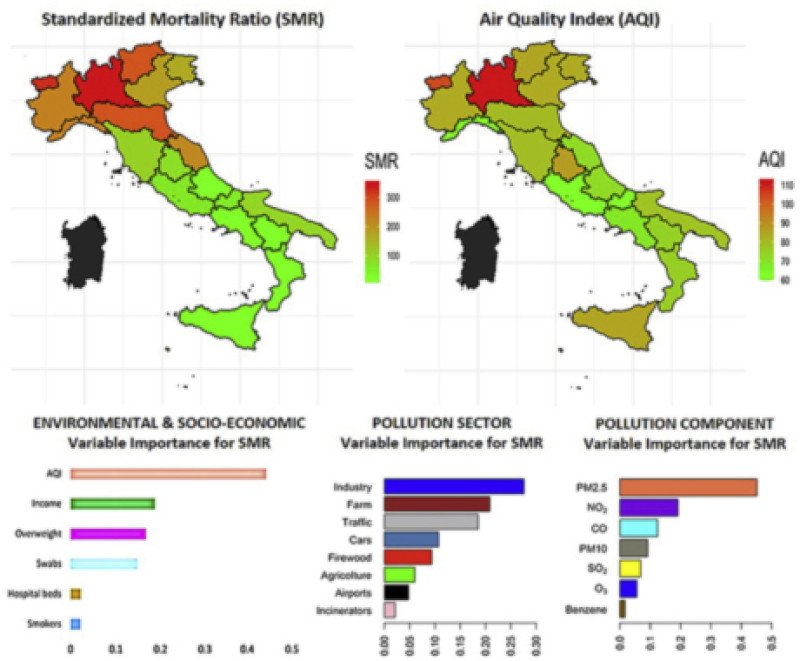
Pollution is strongly related to COVID-19 deaths in Italy
A new study by KLI Fellow Roberto Cazzolla Gatti (et al.) reveals how prolonged exposure to air pollution (especially to fine particles) has contributed to SARS-CoV-2 mortality and infections in Italy

2022-09-30
Pour une autre histoire des rapports économie-environnement
KLI fellow Marco P. Vianna Franco and coauthor Antoine Missemer blog about their new book, A History of Ecological Economic Thought, in the Chroniques de l'anthropocène.
2018-01-18
Pre-symptomatic Genetic Counselling in Austrian Clinical Practice
KLI Colloquium on Thursday 25 January 2018, 3.00 pm at the KLI. Speaker: Bernhard Hadolt (University of Vienna)
2021-06-17
Pregnant Females as Historical Individuals: An Insight from the Philosophy of Evo-Devo
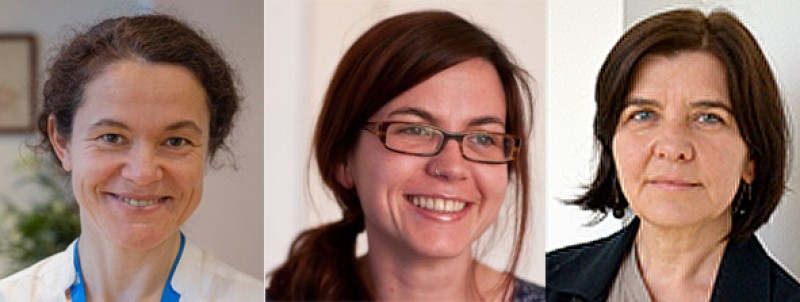
Mihaela PAVLICEV (University of Vienna), Laura NUÑO DE LA ROSA (Complutense University of Madrid), & Arantza ETXEBERRÍA AGIRIANO (University of the Basque Country),
24 June 2021, 3.00 pm. To join our colloquium please register with Zoom.

2021-01-28
Pregnant females as historical individuals: an insight from the philosophy of evo-devo
Laura Nuño de la Rosa, Mihaela Pavlicev and Arantza Etxeberria propose a solution to the individuality of pregnancy.
2022-10-07
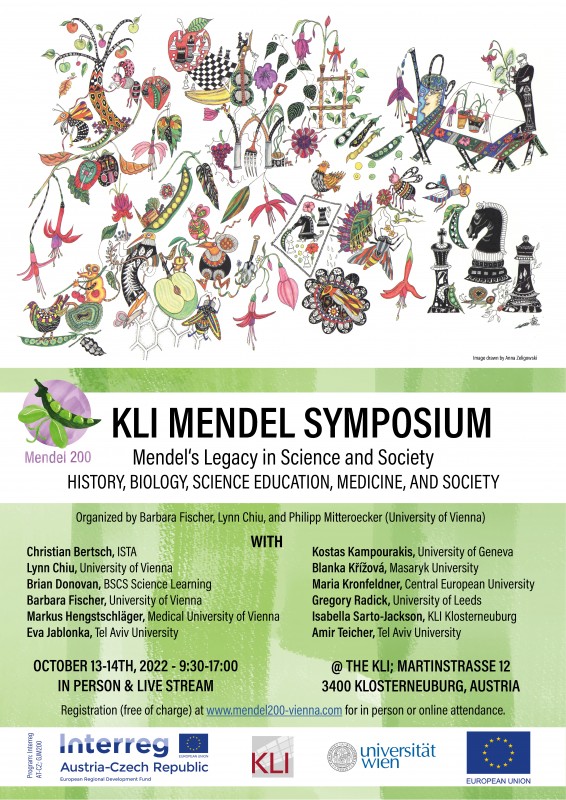
Press release: Public lectures reflect on long-reaching influence of Gregor Mendel on his 200th anniversary
The KLI Mendel Symposium, Mendel's Legacy in Science and Society, will be held from Oct 13th to 14th, 2022.
2022-12-14
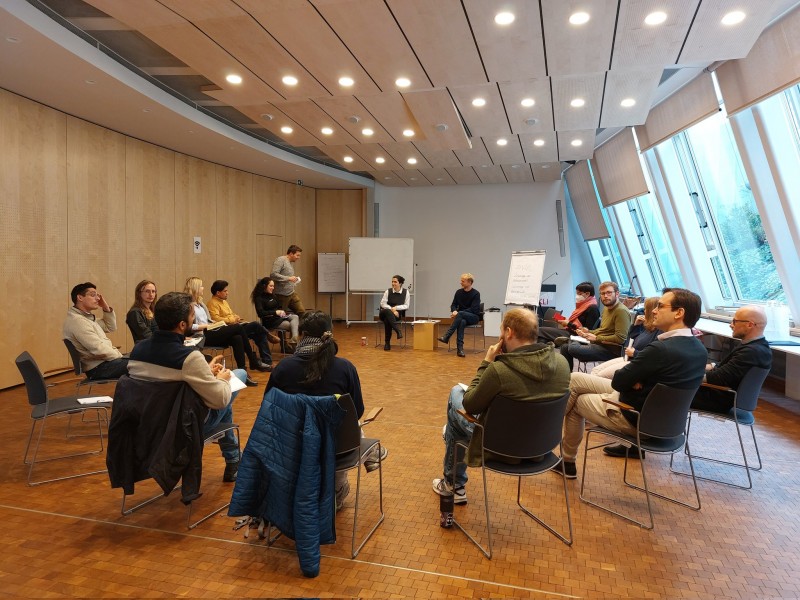
Professional development at the KLI
Each winter, the KLI organizes a two-part professional development workshop for our fellows to get to know each other-- both as people and as researchers.

2020-09-30
Protect wildlife now to protect us from future pandemics
Four relevant actions should be taken into account to protect and conserve wildlife in this pandemic era.

2024-09-10
Publication: Ethics Handbook as a practical guide for navigating ethical issues of equity and justice in land use research and practice
The KLI team engaged in the Horizon Europe project PLUS Change – Marina Knickel, Guido Caniglia and Nora Hein – have developed an Ethics Handbook that provides guidance on dealing with ethical issues of equity and justice in land use research and practice. The main goal of the Handbook is to support actors in land use decision-making to prevent the exacerbation of social and environmental injustices that arise from uneven access to resources and decision-making power.

2024-03-05
Raising awareness of ethics, equity and justice in land use change processes: interactive webinars in PLUS Change
Guido Caniglia and Marina Knickel in the KLI team are excited to continue their work in the recently launched EU Horizon project PLUS Change. This project will develop strategies and decision-making processes to transform land use by prioritizing societal well-being, climate goals, and biodiversity conservation. (Click on title to read more)

2023-07-16
Reading group: third meeting of the Vienna Science Studies Lab
The Vienna Science Studies Lab recently held its third meeting at the KLI, discussing Max Liboiron's "Pollution is Colonialism".
2020-06-09
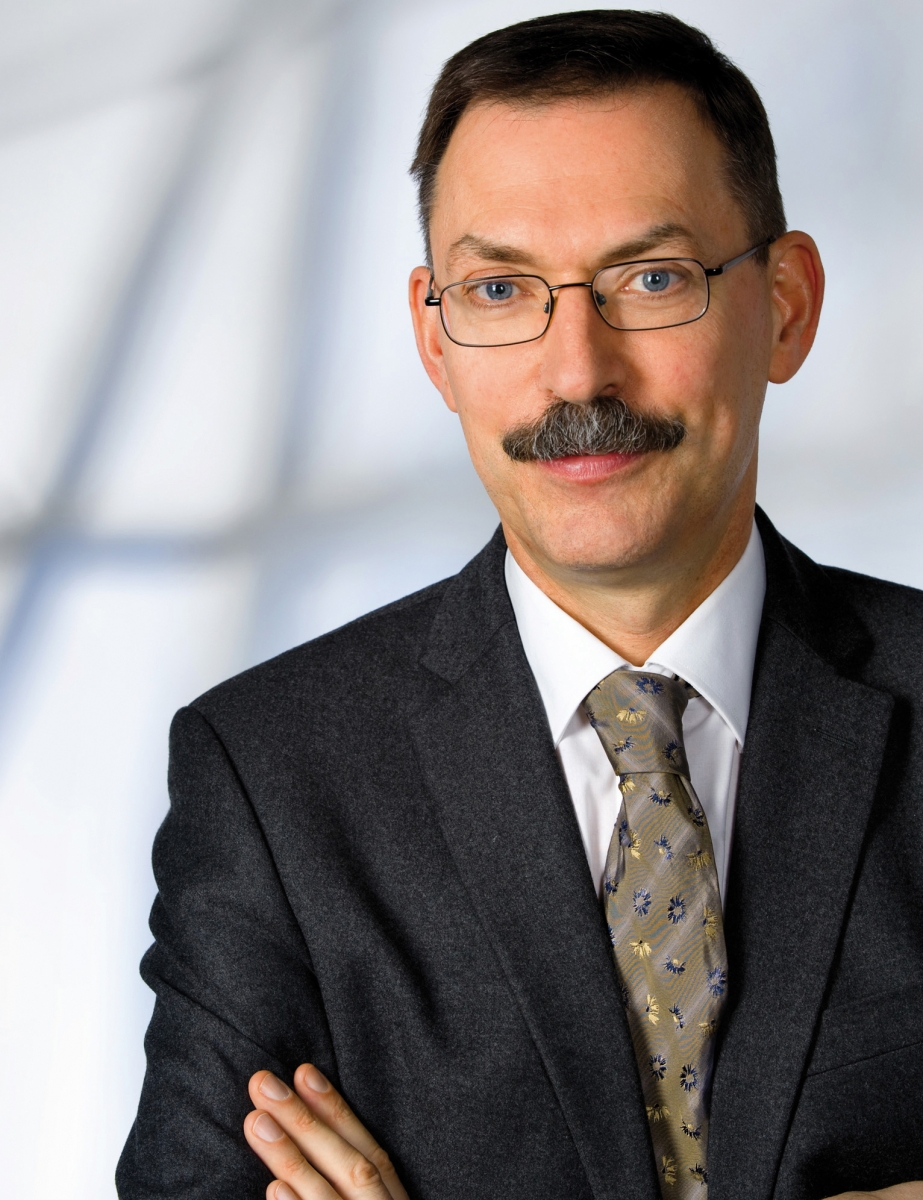
Relativism in the Philosophy of Science
Virtual KLI Colloquium: Martin KUSCH (University of Vienna), 16 June 2020, 5.00 pm. [br] To join our online colloquium please register with Zoom. [br]
Deadline for the registration: 3 pm on the day of the talk—no admission in the room after 5:05 pm!
2020-11-06
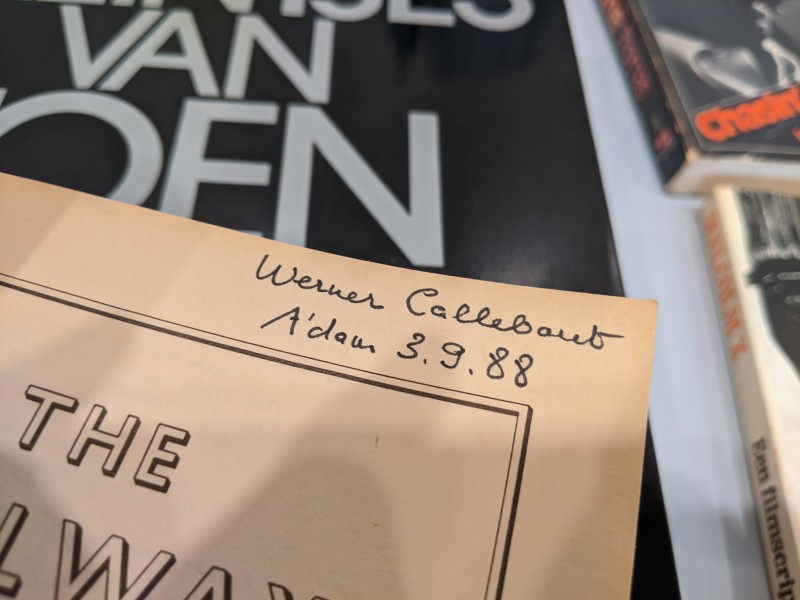
Remembering Werner Callebaut through his books
Six years ago, we lost Werner Callebaut, philosopher of the life sciences and long-serving scientific director of the KLI. In his memory, we laid out an exhibition of his vast literary collection.

2022-10-04
Report from the 2nd meeting of the KLI working group: Evolutionary theory for social-ecological change
Raf Jansen documents the working group's five-day stay at the KLI in pictures.
2024-06-24
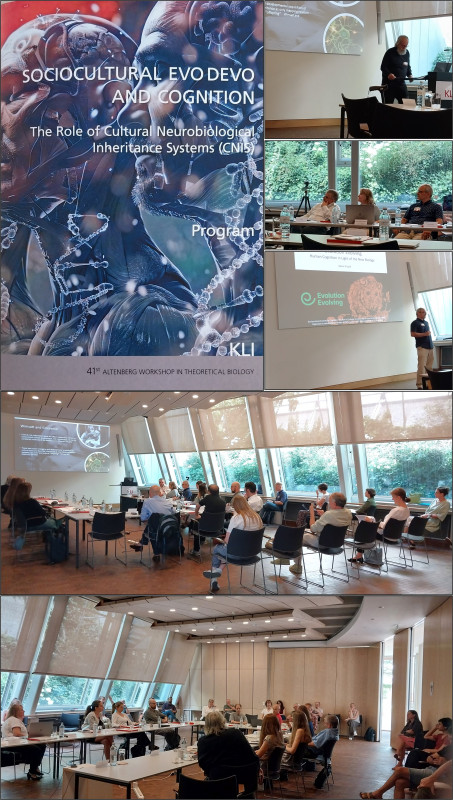
Report: 41st Altenberg Workshop in Theoretical Biology Sociocultural EvoDevo, on Cultural Neurobiological Inheritance Systems (CNIS) 18-21 June 2024
The 41st Altenberg Workshop in Theoretical Biology, with the theme Sociocultural EvoDevo: Cultural Neurobiological Inheritance Systems (CNIS) was held at the KLI, Klosterneuburg Austria, from 18-21 June 2024. This workshop was organised by Isabella Sarto-Jackson (KLI) and Daniel O. Larson (California State University). It brought together world-renowned scholars from multiple fields including neurobiology, anthropology, evolutionary developmental biology, social psychology and human development.
2024-10-28
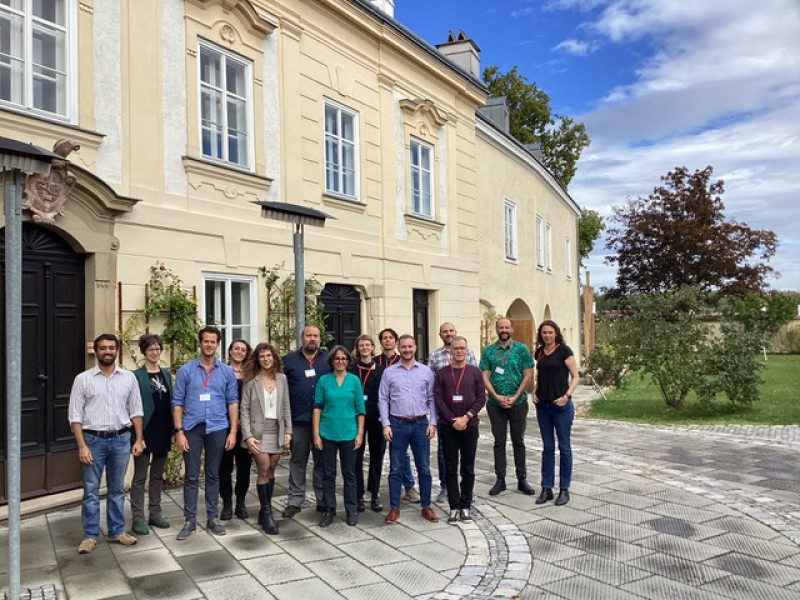
Report: 42nd Altenberg Workshop in Theoretical Biology: Aims, Norms, and Values in Scientific Classification for Biodiversity Conservation
The 42nd Altenberg Workshop in Theoretical Biology was held at the KLI from 8th to 11th October 2024. The topic for this edition, organised by Joeri Witteveen and Federica Bocchi of the University of Copenhagen, was "Aims, Norms, and Values in Scientific Classification for Biodiversity Conservation". The workshop brought together 14 scholars from Australia, Austria, Canada, Denmark, India, New Zealand, Spain, South Africa, UK, and USA, spanning the biological sciences, social sciences and humanities, and working on aspects of classification and categorization in taxonomy, biodiversity science and conservation biology. The workshop was co-funded by the KLI and the research project “Tackling the Conservationist’s Dilemma,” sponsored by the Independent Research Fund, Denmark. (Click on title to read more.)

2024-11-15
Report: Book Symposium and launch of Evolution Evolving (Princeton University Press)
On 7th November 2024, the KLI hosted a symposium to launch Evolution Evolving, a book authored by KLI member Kevin Lala (University of St. Andrews), along with Tobias Uller (Lund University), Nathalie Feiner (Lund University), Marcus Feldman (Stanford University) and Scott Gilbert (Swarthmore College), and published by Princeton University Press. Evolution Evolving highlights the role of developmental processes in evolution, drawing upon new findings in areas such as evo-devo, epigenetics and symbiosis. The title of the book, according to the authors, alludes both to the evolution of the evolutionary process over time, as well as to the fact that evolutionary theory is evolving, which this book hopes to make a contribution towards. (Click on title to read more.)
2024-09-23
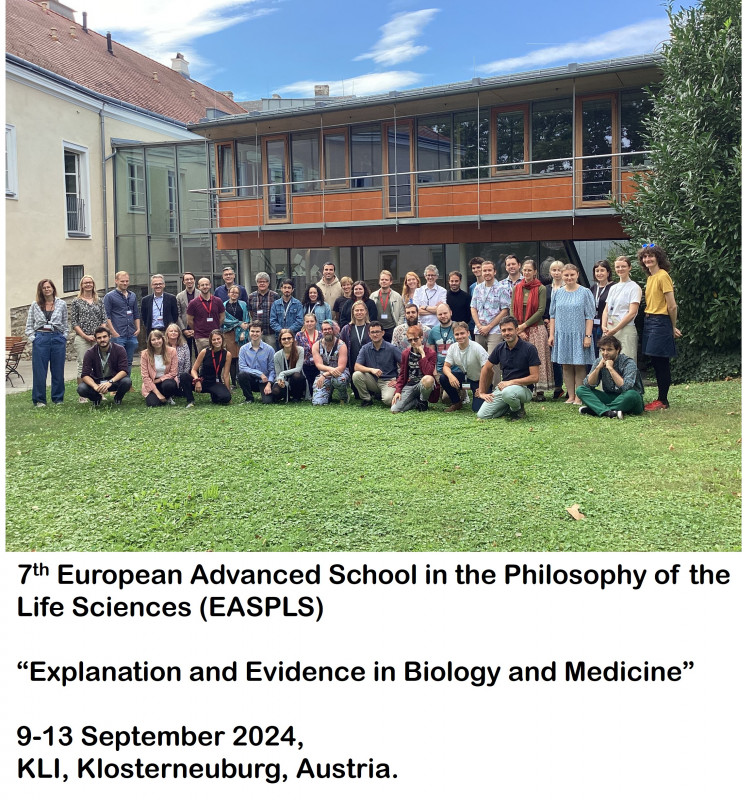
Report: Seventh European Advanced School in the Philosophy of the Life Sciences (EASPLS)- “Explanation and Evidence in Biology and Medicine”
The 7th European Advanced School in the Philosophy of the Life Sciences (EASPLS) was held at the KLI from 9th to 13th September 2024. The EASPLS is a biennial event that brings together PhD scholars and early career researchers alongside experienced and renowned academics in a carefully curated format, aiming to facilitate professional training, ignite research collaborations, and drive intellectual growth through engagement. The event is organised by a consortium of institutes in Europe working at the forefront of Philosophy, History and Social studies of the Life sciences. This year's edition was led by Leonardo Bich (University of the Basque Country), Lucie Laplane (IHPST, CNRS/Université Paris I Panthéon-Sorbonne), Matteo Mossio (IHPST, CNRS/Université Paris 1) on the topic, “Explanation and Evidence in Biology and Medicine”. Lectures revolved around philosophical debates on explanation and evidence in the life sciences, analysing the existing strategies, evaluating their strengths, weaknesses, and mutual relations. (Click on title to continue.)

2024-02-13
Report: The 4th Meeting of the Vienna Science Studies Laboratory at Das Cafe
The 4th Meeting of the Vienna Science Studies Laboratory was held yesterday afternoon in the cozy ambience of Das Café in Vienna. The paper that was selected for this reading group’s discussion was Kelly et al. 2014 (The integration of social, behavioral, and biological mechanisms in models of pathogenesis).
In a lively discussion, most participants contributed interesting points on various aspects of the paper, especially around the concepts of ‘lifeworlds’ and 'mixed mechanisms' in explaining diseases.
(Click on title to read more on this report!)